July 28, 2026
Your pet’s oral health affects far more than just fresh breath. Healthy teeth and gums support comfortable eating, reduce the risk of painful infections, and can even contribute to better overall wellness throughout your companion's life. Knowing when to schedule pet dental cleanings can help prevent small dental issues from becoming expensive and uncomfortable problems.
Many pet owners assume dental disease only develops in older animals, but plaque and tartar can begin accumulating much earlier. Dogs and cats are experts at hiding discomfort, making it easy to miss warning signs until oral disease has progressed. By recognizing the early indicators of dental trouble, you can seek professional care before your pet experiences significant pain or health complications.
According to Sci-Tech-Today, in 2024, about 23% of pet owners carried insurance that helped cover their pets' medical bills. That financial support can make preventive veterinary care, including dental services, more accessible, but even without insurance, preventive care services, like pet dental cleanings, are often more affordable than treating advanced dental disease.
1. Persistent Bad Breath
One of the earliest and most noticeable signs of dental disease is persistent bad breath. While many people expect a pet's breath to have some odor, a strong, foul, or rotten smell is usually not normal. Lingering bad breath often signals bacteria buildup beneath the gumline rather than something your pet recently ate.
Plaque naturally forms on your pet's teeth every day. If it is not removed through regular oral care and professional treatment, it hardens into tartar that cannot be eliminated with brushing alone. The bacteria trapped within tartar continue multiplying, irritating the gums and creating unpleasant odors that worsen over time.
Veterinarians frequently identify bad breath as one of the first clues that oral disease is developing. During examinations, they can determine whether the smell stems from gingivitis, infected teeth, periodontal disease, or another medical condition. Scheduling pet dental cleanings before these problems become severe can greatly improve your pet's comfort and oral health.
Ignoring persistent bad breath allows bacteria to continue damaging the gums and supporting structures around the teeth. Eventually, untreated infections may contribute to tooth loss and create additional health concerns elsewhere in the body. Addressing the issue early allows your veterinarian to stop disease progression before more extensive treatment becomes necessary.
2. Excessive Drooling
Some pets naturally drool more than others, especially certain dog breeds with loose lips. However, a noticeable increase in drooling without an obvious explanation deserves attention because it can indicate oral pain or irritation. Saliva production often increases when pets experience inflammation inside the mouth.
Dental disease frequently causes swollen gums, loose teeth, oral ulcers, or infected tissue that makes swallowing uncomfortable. As discomfort grows, pets may struggle to keep saliva in their mouths, leading to excessive drooling. In some cases, owners may also notice blood-tinged saliva or staining around the mouth.
Foreign objects lodged between the teeth can also trigger increased drooling. Small sticks, bones, grass, or fragments of chew toys occasionally become trapped and create inflammation that resembles dental disease. A veterinary examination helps determine whether your pet needs treatment for an injury, infection, or professional pet dental cleanings.
Prompt evaluation is especially important if drooling is accompanied by facial swelling, reluctance to eat, or pawing at the mouth. These symptoms often indicate significant discomfort that should not be ignored. Treating dental problems early can help restore normal eating habits while preventing more serious complications.
3. Difficulty Eating
Changes in eating behavior often reveal oral discomfort long before pets show obvious signs of pain. Animals instinctively continue eating even when their mouths hurt, but they may begin chewing differently or taking much longer to finish meals. Careful observation during feeding can uncover subtle clues that something is wrong.
A pet experiencing dental pain may drop food, chew only on one side of the mouth, or avoid hard kibble altogether. Some pets suddenly prefer canned food because it requires less chewing, while others approach their bowl enthusiastically but quickly lose interest once they begin eating. These behavioral changes often point toward sore gums or painful teeth.
Owners sometimes mistake reduced appetite for normal aging, but dental disease is frequently the underlying cause. Professional examinations allow veterinarians to identify fractured teeth, advanced tartar buildup, gum infections, or loose teeth that interfere with eating comfortably. Early pet dental cleanings can remove harmful buildup before extensive oral damage develops.
Maintaining healthy teeth helps pets continue enjoying proper nutrition throughout their lives. Comfortable chewing supports healthy digestion and helps prevent unnecessary weight loss caused by chronic oral pain. Addressing dental concerns promptly also improves your pet's overall quality of life by eliminating discomfort during everyday activities.
4. Visible Dental Changes
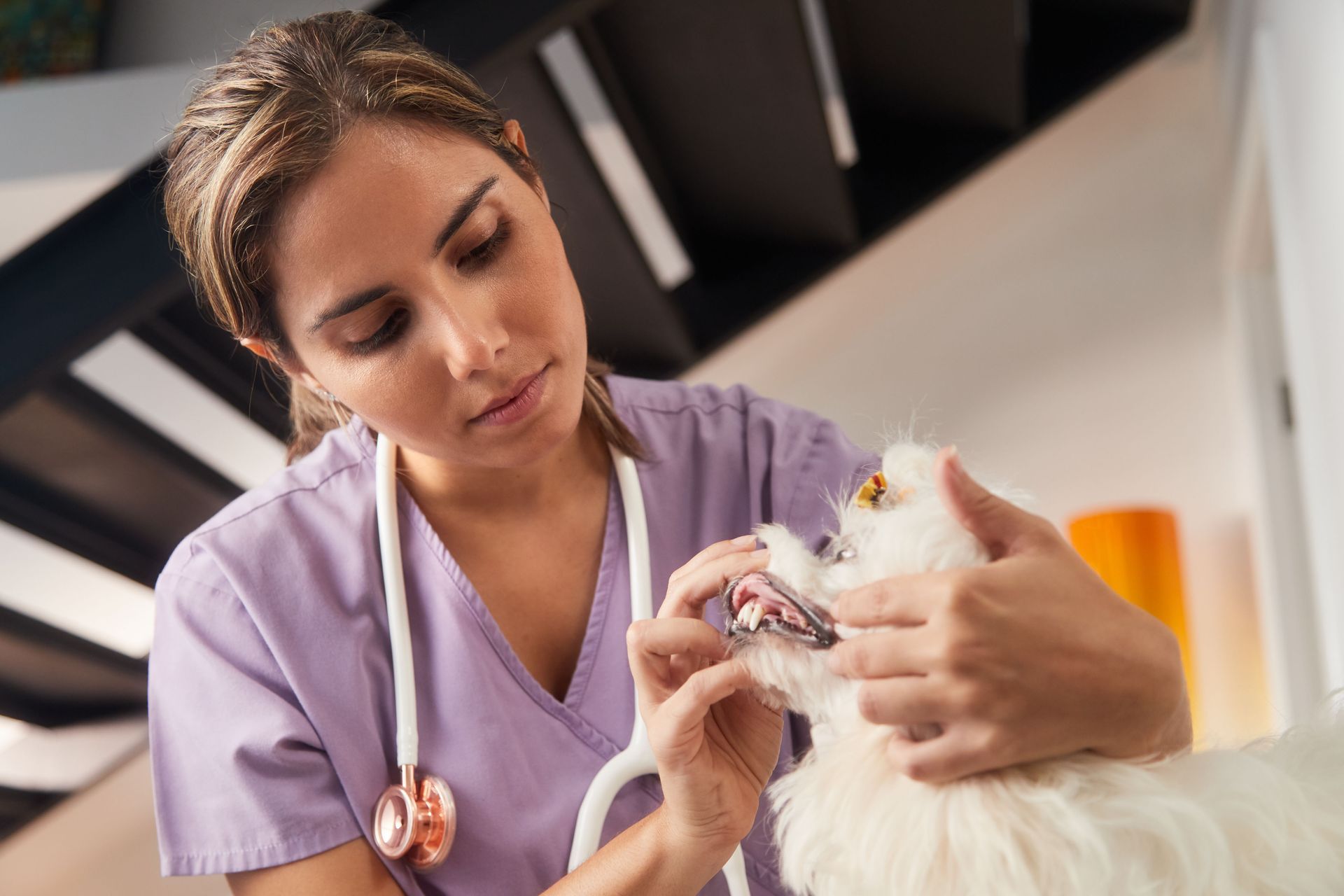
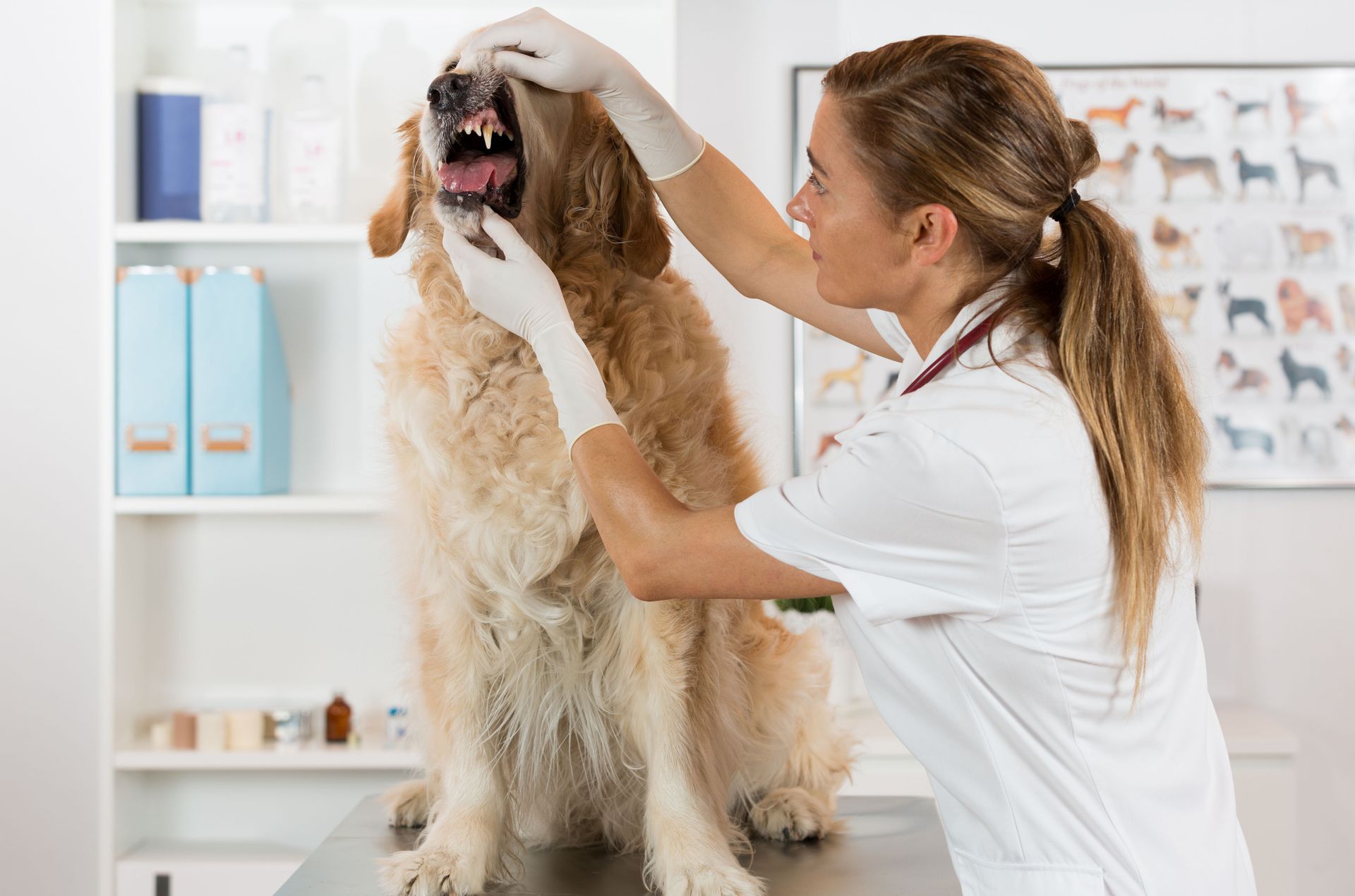
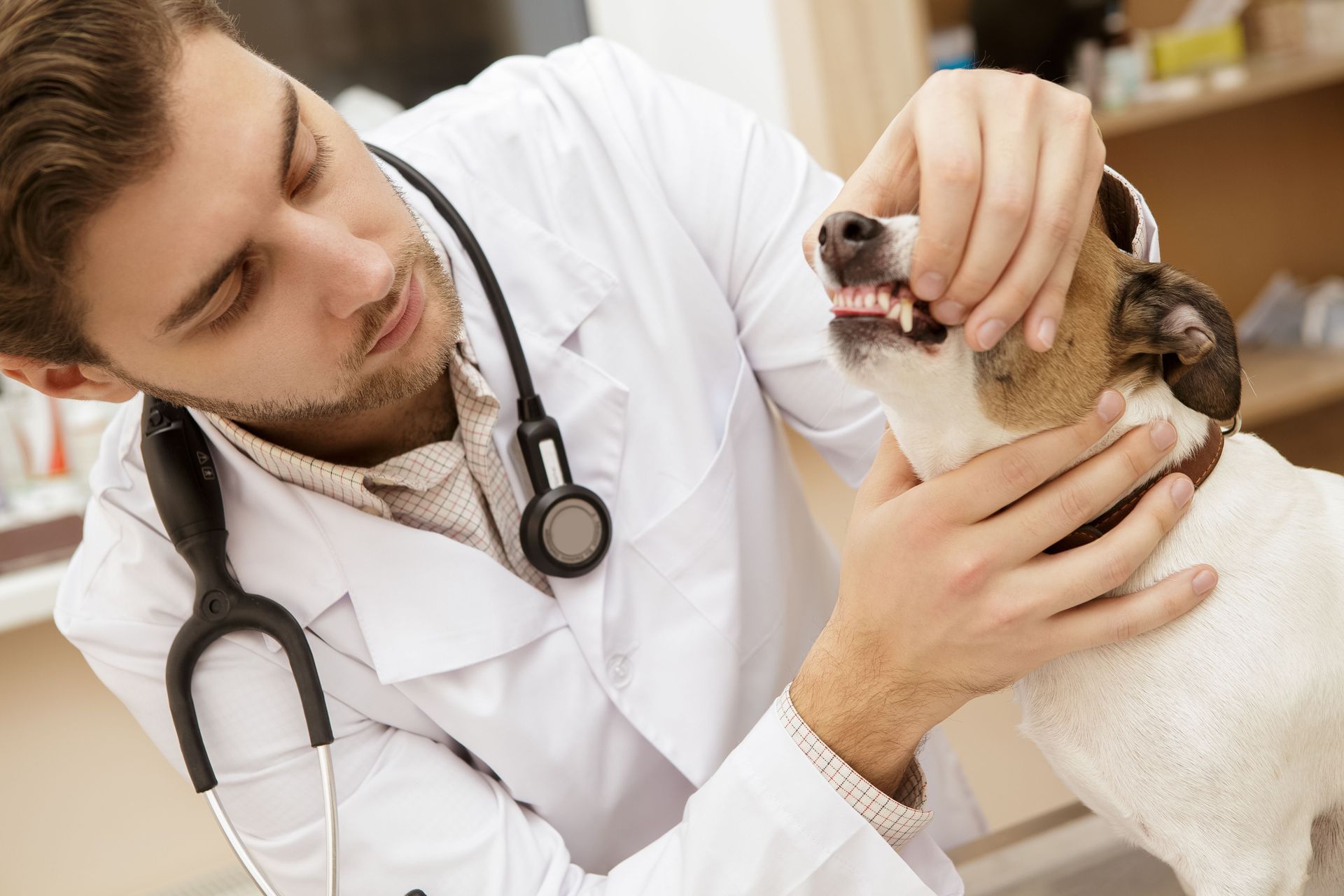
Many dental problems become visible if you occasionally inspect your pet's mouth. Yellow or brown tartar accumulating near the gumline is one of the most common warning signs that professional attention is needed. Healthy teeth should appear relatively clean, while healthy gums typically have a consistent pink color without excessive redness.
As periodontal disease progresses, you may notice swollen gums, bleeding after chewing toys, loose teeth, or even visible pus near the gumline. Some pets develop gum recession that exposes more of the tooth root, making the teeth appear unusually long. These visible changes often indicate advanced dental disease requiring prompt veterinary treatment.
Broken or worn teeth also deserve immediate evaluation. Even small fractures expose sensitive inner tissue that allows bacteria to enter the tooth, potentially leading to painful infections. Veterinarians can determine whether treatment involves extraction, repair, or comprehensive pet dental cleanings combined with additional dental procedures.
Routine home inspections complement professional care by helping owners recognize changes earlier. Looking inside your pet's mouth for a few moments every week makes it easier to identify new discoloration, swelling, or damaged teeth before serious complications develop. Combined with regular veterinary visits, this proactive approach supports long-term oral health.
5. Behavioral Changes
Dental discomfort often affects more than eating habits. Pets experiencing chronic oral pain may become less playful, more withdrawn, or unusually irritable when someone touches their face or head. Behavioral shifts sometimes provide valuable clues before obvious dental symptoms appear.
A normally social pet may begin hiding more frequently or avoiding favorite toys because chewing has become uncomfortable. Dogs may stop playing fetch with hard balls, while cats may groom themselves less if mouth pain interferes with normal behavior. These subtle changes are easy to overlook but deserve careful consideration.
Because animals cannot explain where they hurt, owners should evaluate behavioral changes alongside other physical symptoms. Veterinary professionals consider appetite, oral appearance, drooling, breath odor, and overall demeanor when assessing dental health. If multiple warning signs appear together, scheduling pet dental cleanings promptly can prevent worsening disease and restore your pet's comfort.
Preventive dentistry remains one of the most effective ways to protect pets from painful oral conditions. Routine examinations, consistent home care, and timely professional cleanings reduce plaque buildup while allowing veterinarians to identify developing problems before they become severe. Early intervention often means simpler treatments, shorter recovery times, and healthier smiles for years to come.
Dental disease rarely develops overnight, but its warning signs often appear gradually if you know what to watch for. Persistent bad breath, excessive drooling, eating difficulties, visible dental abnormalities, and unexpected behavioral changes all deserve prompt attention from your veterinarian. Staying proactive with
pet dental cleanings helps protect your companion from unnecessary pain while supporting better overall health throughout every stage of life.
If we notice any of these warning signs in your pet, we encourage you to schedule an appointment with MalsPals Pet Dental Cleaning before minor issues become major concerns. We are committed to providing compassionate care that helps every pet enjoy a healthier mouth and a happier life. Let us help your furry family member maintain a bright smile and lasting comfort with professional dental care.